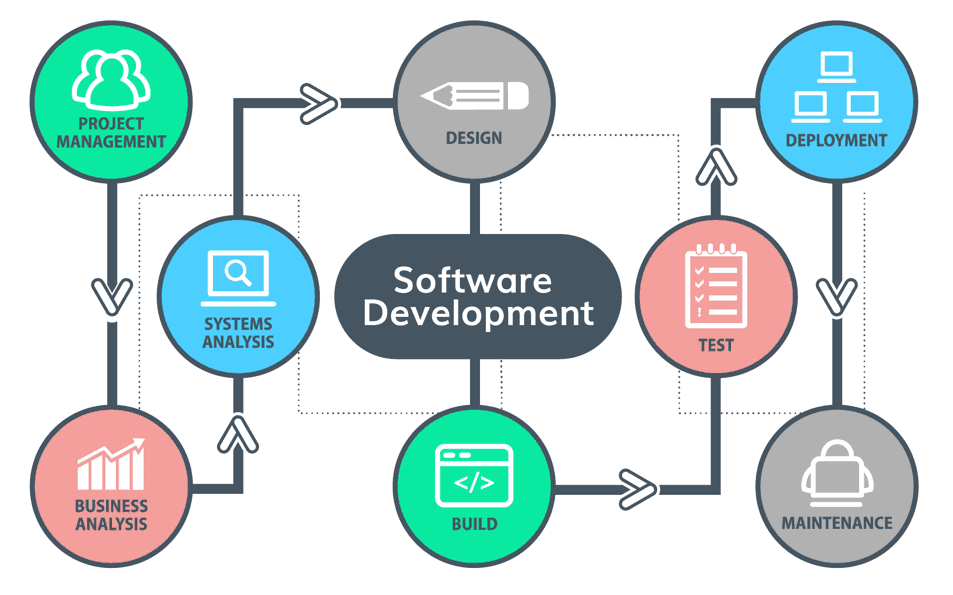
Software Development

Software development is the process of conceiving, specifying, designing, programming, documenting, testing, and bug fixing involved in creating and maintaining applications, frameworks, or other software components. Software development involves writing and maintaining the source code, but in a broader sense, it includes all processes from the conception of the desired software through to the final manifestation of the software, typically in a planned and structured process. Software development also includes research, new development, prototyping, modification, reuse, re-engineering, maintenance, or any other activities that result in software products.
Software can be developed for a variety of purposes. The three most common purposes are: to meet specific needs of a specific client or organization, to meet a perceived need of some set of potential users or for personal use (e.g. a scientist may write software to automate a mundane task). Embedded software development, that is, the development of embedded software, such as used for controlling consumer products, requires the development process to be integrated with the development of the controlled physical product. System software underlies applications and the programming process itself, and is often developed separately.

Web Development

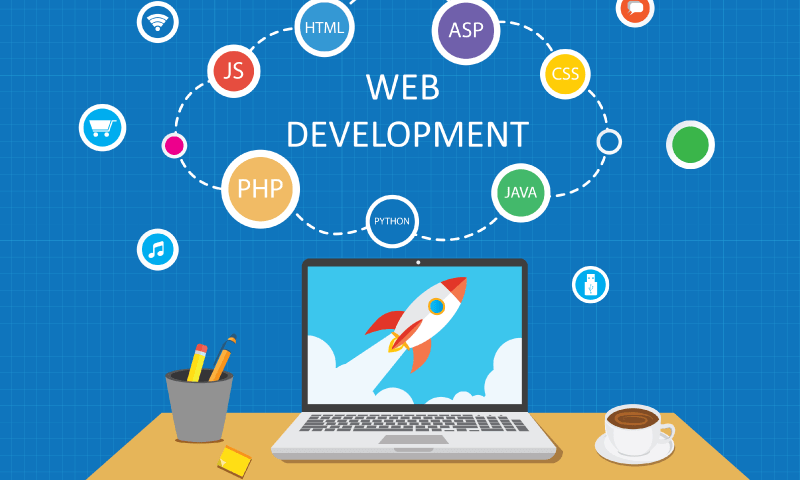
Web development is the work involved in developing a Web site for the Internet (World Wide Web) or an intranet (a private network). Web development can range from developing a simple single static page of plain text to complex web applications, electronic businesses, and social network services. A more comprehensive list of tasks to which Web development commonly refers, may include Web engineering, Web design, Web content development, client liaison, client-side/server-side scripting, Web server and network security configuration, and e-commerce development.

For larger organizations and businesses, Web development teams can consist of hundreds of people (Web developers) and follow standard methods like Agile methodologies while developing Web sites. Smaller organizations may only require a single permanent or contracting developer, or secondary assignment to related job positions such as a graphic designer or information systems technician. Web development may be a collaborative effort between departments rather than the domain of a designated department. There are three kinds of Web developer specialization: front-end developer, back-end developer, and full-stack developer. Front-end developers are responsible for behavior and visuals that run in the user browser, while back-end developers deal with the servers.

Digital Marketing

Digital marketing is the component of marketing that utilizes internet and online based digital technologies such as desktop computers, mobile phones and other digital media and platforms to promote products and services.
digital marketing campaigns have become prevalent, employing combinations of search engine optimization (SEO), search engine marketing (SEM), content marketing, influencer marketing, content automation, campaign marketing, data-driven marketing, e-commerce marketing, social media marketing, social media optimization, e-mail direct marketing, display advertising, e–books, and optical disks and games have become commonplace.

ERP Software

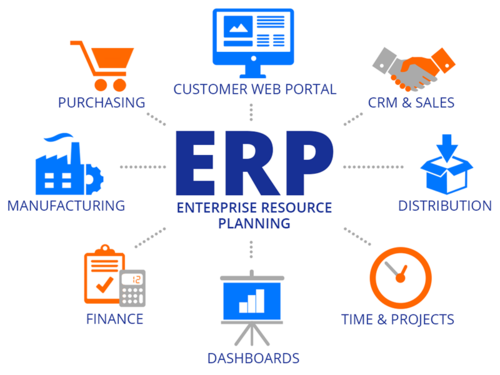
Enterprise resource planning (ERP) is the integrated management of main business processes, often in real time and mediated by software and technology. ERP is usually referred to as a category of business management software—typically a suite of integrated applications—that an organization can use to collect, store, manage, and interpret data from many business activities. ERP Systems can be local based or Cloud-based. Cloud-based applications have grown in recent years due to information being readily available from any location with internet access.
ERP provides an integrated and continuously updated view of core business processes using common databases maintained by a database management system. ERP systems track business resources—cash, raw materials, production capacity—and the status of business commitments: orders, purchase orders, and payroll. The applications that make up the system share data across various departments (manufacturing, purchasing, sales, accounting, etc.) that provide the data. ERP facilitates information flow between all business functions and manages connections to outside stakeholders.
Enterprise system software is a multibillion-dollar industry that produces components supporting a variety of business functions. Though early ERP systems focused on large enterprises, smaller enterprises increasingly use ERP systems.

E-Commerce Solution

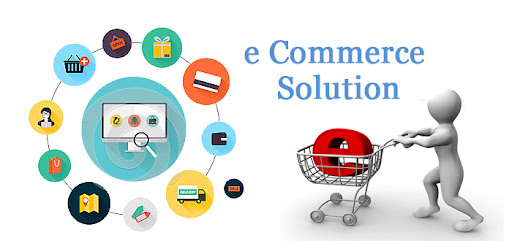
E-commerce solutions are the products and services that help a company conduct business electronically. The range of available e-commerce solutions is vast, including those that allow traditional businesses to design, create, and operate World Wide Web sites. Some solutions focus on a specific problem. For example, a company selling its wares via a World Wide Web site might purchase a bandwidth management solution from a firm like Packeteer Inc. in an effort to allocate more resources to actual commerce transactions than to other applications. Similarly, an electronic merchant who wants to improve the online checkout process for its clients might turn to a specialized vendor like VirtualCart for a shopping cart solution.

Mobile App Development

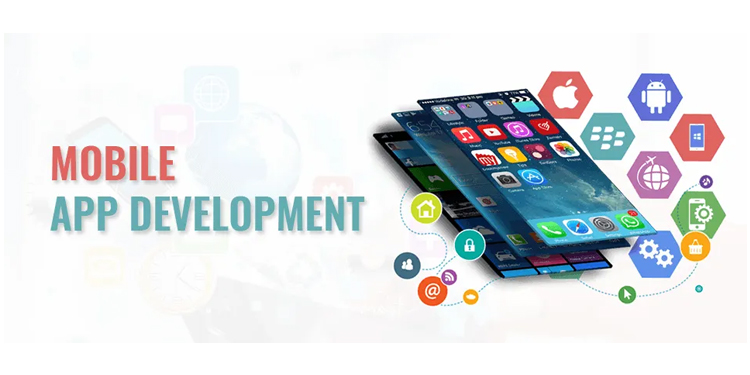
Our mobile app development services provide both iOS and Android solutions. Whether you need a consumer-facing app or an enterprise-grade mobile solution, we deliver mobile applications that are reliable, secure, and high-performing. Mobile app development is the act or process by which a mobile app is developed for mobile devices, such as personal digital assistants, enterprise digital assistants or mobile phones. These software applications are designed to run on mobile devices, such as a smartphone or tablet computer. These applications can be pre-installed on phones during manufacturing platforms, or delivered as web applications using server-side or client-side processing (e.g., JavaScript) to provide an "application-like" experience within a Web browser.
Application software developers also must consider a long array of screen sizes, hardware specifications, and configurations because of intense competition in mobile software and changes within each of the platforms.
During the coding process, developers encounter two main types of paths: front end and back end. What is the difference between these two concepts? Front end developers focus on how an app looks, while back end developers focus on how an app works. For example, if you were building an app, the front-end developer would be in charge of creating the theme, style, presentation, and images. The back-end developer would work on the database, as well as the site’s security, users and overall site performance. Programming languages can also differ. For example, front end developers often use HTML, JavaScript, or CSS, while back end users may use Ruby, PHP, Python, Java or Node.js.

Cloud Services

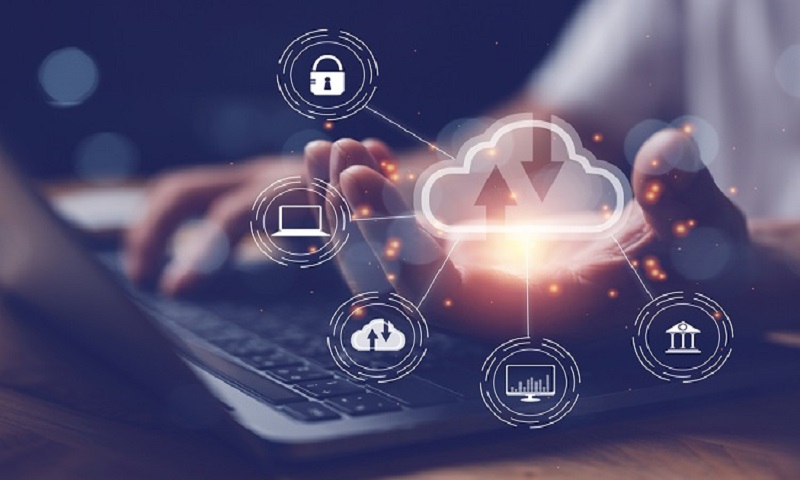
Leverage the power of the cloud with our cloud computing services. From cloud migration and integration to cloud-based application development, we help you harness the flexibility, scalability, and cost-efficiency of cloud technology. Cloud services offer scalable, on-demand access to computing resources like storage, processing power, and software applications.
They enable businesses and individuals to store data remotely, run applications, and manage workloads without needing to maintain physical infrastructure. Popular types of cloud services include Infrastructure as a Service (IaaS), Platform as a Service (PaaS), and Software as a Service (SaaS). These services provide benefits such as cost savings, flexibility, and accessibility from anywhere with an internet connection.

Blockchain Development

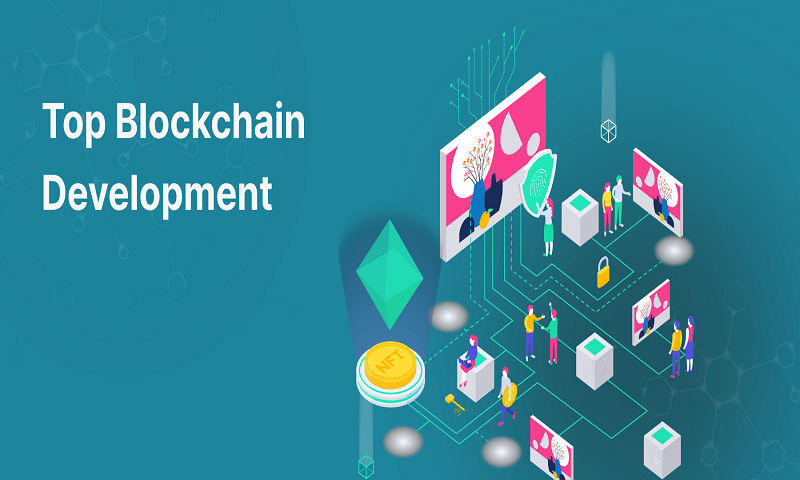
Blockchain development involves creating decentralized applications and systems utilizing blockchain technology. It includes designing blockchain protocols, implementing smart contracts, and building distributed ledger systems that ensure transparency, security, and immutability. Developers often work with consensus algorithms, such as Proof of Work or Proof of Stake, to facilitate agreement across a network of participants.
Smart contracts, which are self-executing contracts with predetermined conditions, are a key feature of many blockchain applications. Blockchain development also includes creating DApps (decentralized applications) that operate without a central authority, and integrating cryptocurrencies for secure transactions. Knowledge of cryptography, distributed systems, and specific blockchain platforms like Ethereum, Hyperledger, and Solana is essential for successful blockchain development.

Legacy Application Modernization

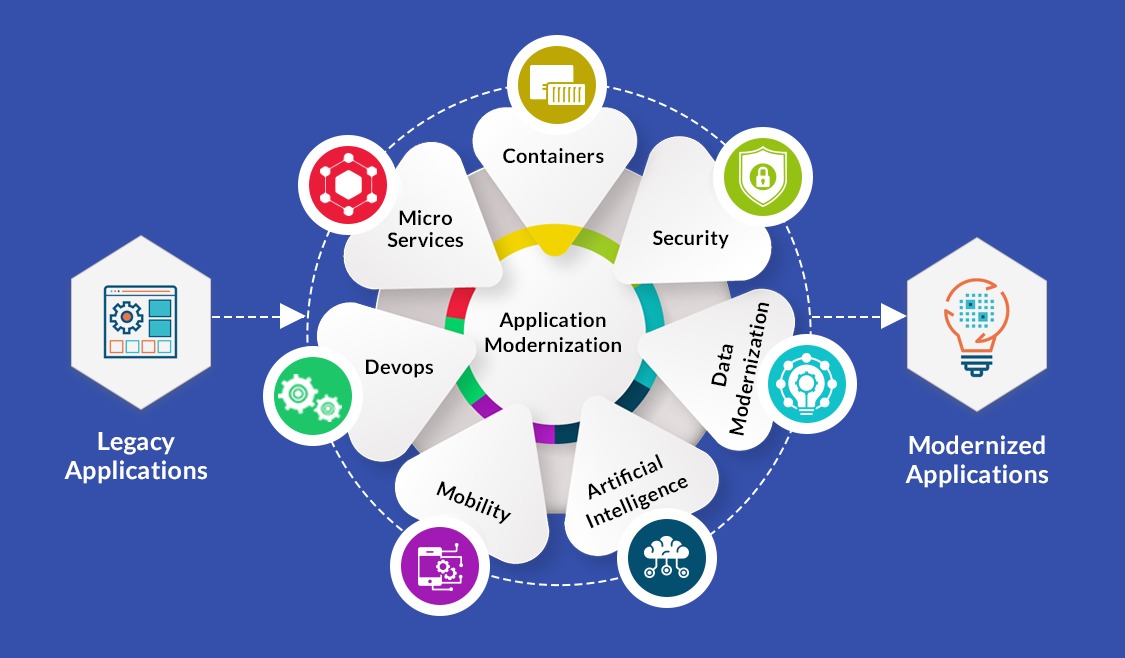
Legacy application modernization involves updating and transforming outdated software to improve performance, scalability, and security. This process typically includes refactoring code, migrating to modern technologies, and adopting cloud-based solutions.
The goal is to enhance functionality, reduce maintenance costs, and ensure compatibility with current business needs. Modernization may involve re-architecting the application, integrating new features, or replacing obsolete components while preserving core functionalities. This approach allows businesses to extend the lifespan of their systems and stay competitive in an evolving digital landscape.

AI-Driven Solutions

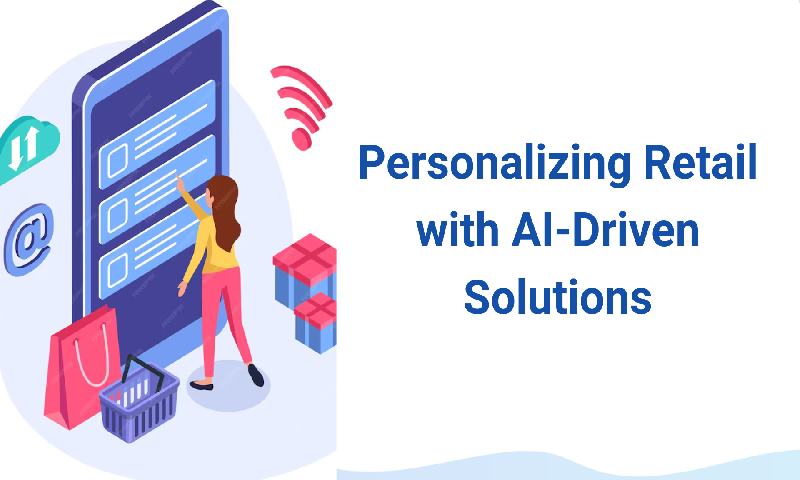
AI-driven solutions leverage artificial intelligence technologies to automate processes, enhance decision-making, and provide insights from data. These solutions include machine learning algorithms, natural language processing, and computer vision to address various business challenges. By analyzing large datasets, AI can identify patterns, optimize operations, and improve customer experiences.
AI-driven solutions are applied in industries such as healthcare, finance, and retail, enabling more efficient and personalized services while driving innovation and productivity.

Cyber Security Services

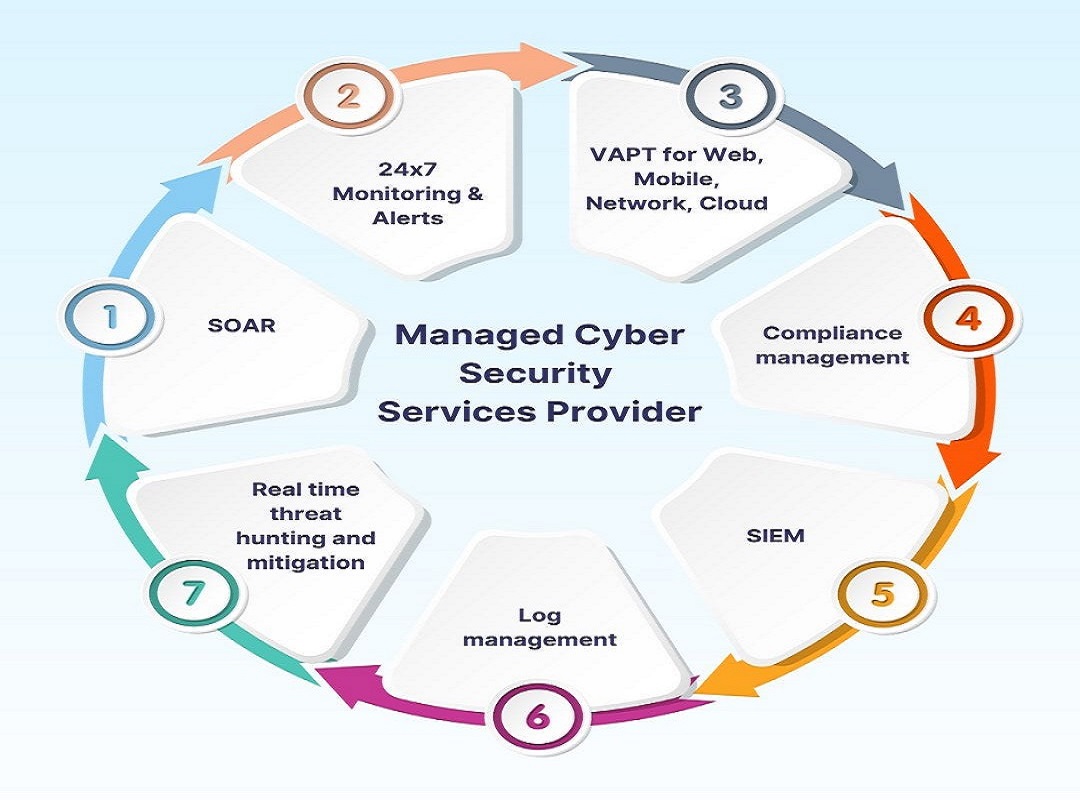
We offer a comprehensive range of cybersecurity services to protect your organization from evolving cyber threats. Our solutions include network security, threat detection, vulnerability assessments, penetration testing, incident response, and data protection. With proactive monitoring, expert analysis, and tailored strategies, we ensure your digital infrastructure remains secure, helping you mitigate risks, avoid breaches, and maintain business continuity. Our team stays ahead of emerging threats to safeguard your critical assets and maintain compliance with industry standards.

IT Staff Augmentation

IT staff augmentation is a business strategy where companies hire external professionals or teams to temporarily fill skill gaps within their existing workforce. This approach allows organizations to access specialized expertise, increase capacity, and meet project deadlines without the long-term commitment of permanent hires. It provides flexibility and scalability, enabling businesses to address immediate technical needs while optimizing costs and resources.

Testing

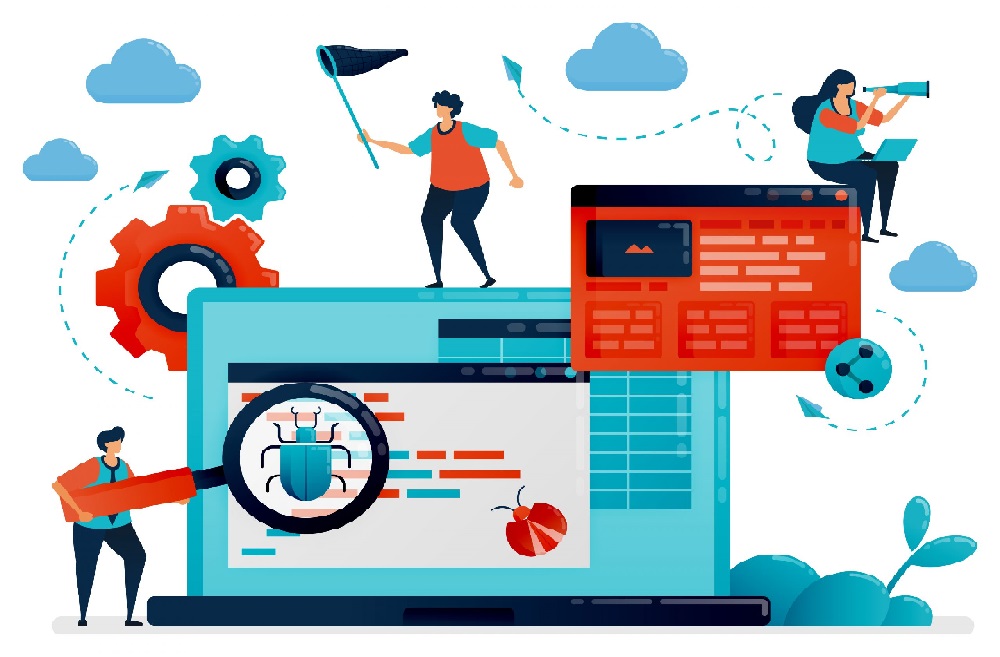
Testing is the process of evaluating a system or application to ensure it functions correctly, meets requirements, and identifies any defects or issues. It involves various methods such as functional, performance, and security testing, aiming to improve quality and reliability. Effective testing helps prevent errors, enhances user experience, and ensures the product meets its intended goals.

BI and Data Analytics

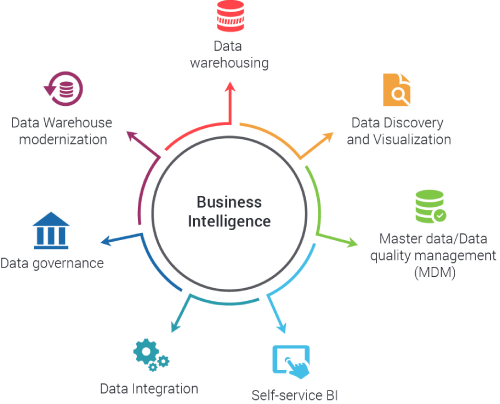
Business Intelligence (BI) and Data Analytics are key technologies that help organizations make data-driven decisions. BI involves the collection, integration, analysis, and presentation of business data to support decision-making processes. It often includes reporting tools, dashboards, and data visualizations to provide insights into business performance. Data Analytics, on the other hand, involves statistical analysis, predictive modeling, and machine learning to uncover patterns, trends, and actionable insights from data. Together, BI and Data Analytics enable organizations to optimize operations, enhance customer experiences, and drive strategic growth.